
farm animals lesson plan pdf
This lesson plan introduces young learners to farm animals‚ exploring their life cycles‚ sounds‚ and behaviors through interactive activities. It includes hands-on crafts‚ story time‚ and outdoor experiences to engage students and promote learning.
Learning Objectives
By the end of this lesson‚ students will be able to recognize and name common farm animals‚ understand their life cycles‚ and identify their unique sounds and behaviors. They will also learn about the importance of farm animals in agriculture and daily life. Students will develop observational skills through hands-on activities and interactive storytelling. Additionally‚ they will gain an understanding of the habitats and needs of farm animals‚ fostering curiosity and appreciation for nature. The lesson aims to enhance vocabulary‚ promote creativity‚ and encourage teamwork through collaborative activities. Students will also differentiate between farm animals and wild animals‚ understanding their roles in the ecosystem. This lesson plan is designed to align with early childhood education standards‚ ensuring a comprehensive and engaging learning experience for young students.

Materials Needed
Visual aids‚ craft supplies‚ and technology tools are essential for this lesson. These include pictures of farm animals‚ art materials‚ and digital resources to enhance interactive learning experiences for students.
3.1 Visual Aids
Visual aids are crucial for engaging students and enhancing their understanding of farm animals. These include high-quality images‚ charts‚ and videos showcasing different farm animals‚ their habitats‚ and behaviors. Interactive tools like digital slideshows or virtual farm tours can also be used to captivate young learners. Additionally‚ educational videos specifically designed for early childhood educators can provide instructional resources to support the lesson. These visual elements help students connect with the material‚ making the learning experience more immersive and enjoyable. By incorporating diverse visual aids‚ educators can cater to different learning styles and ensure that all students benefit from the lesson.
3.2 Craft Supplies
Craft supplies are essential for engaging students in hands-on activities that reinforce learning about farm animals. Materials such as paper‚ glue‚ scissors‚ and crayons are fundamental for creating animal-themed crafts. Construction paper‚ stickers‚ and stencils can be used to design farm animal models or scenes. Additionally‚ digital tools like printable templates from resources such as Mixkit can provide pre-designed craft ideas‚ making it easier for educators to prepare activities. These supplies encourage creativity and fine motor skill development while helping students visualize and connect with the topic. By incorporating a variety of craft materials‚ educators can cater to different learning styles and ensure an interactive and enjoyable experience for all students.
3.3 Technology Tools
Technology tools play a vital role in enhancing the farm animals lesson plan by providing interactive and engaging resources. Google Earth Pro‚ now available for free‚ can be used to explore virtual farm tours‚ giving students a realistic view of farm settings. Educational software and apps‚ such as those offering interactive animal life cycle simulations‚ can deepen understanding. Tablets or interactive whiteboards can display videos‚ images‚ and presentations to captivate young learners. Additionally‚ tools like Mixkit provide free clips and templates for creating multimedia presentations. Digital platforms can also be used for research‚ allowing students to explore farm animal sounds‚ behaviors‚ and habitats. These tools not only make learning more dynamic but also prepare students for the digital age by integrating technology into their educational experience. By leveraging these resources‚ educators can create a comprehensive and engaging lesson plan that caters to diverse learning styles.
Lesson Outline
This lesson introduces farm animals‚ their life cycles‚ sounds‚ and behaviors. Interactive activities include hands-on crafts‚ story time‚ and outdoor experiences. Technology tools like Google Earth Pro and Mixkit enhance engagement with virtual tours and multimedia presentations.
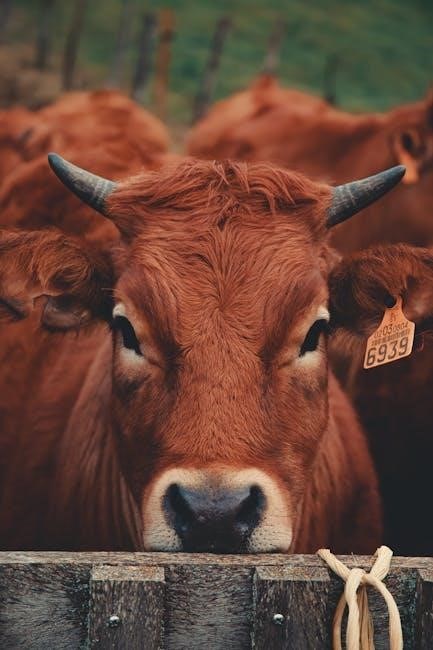
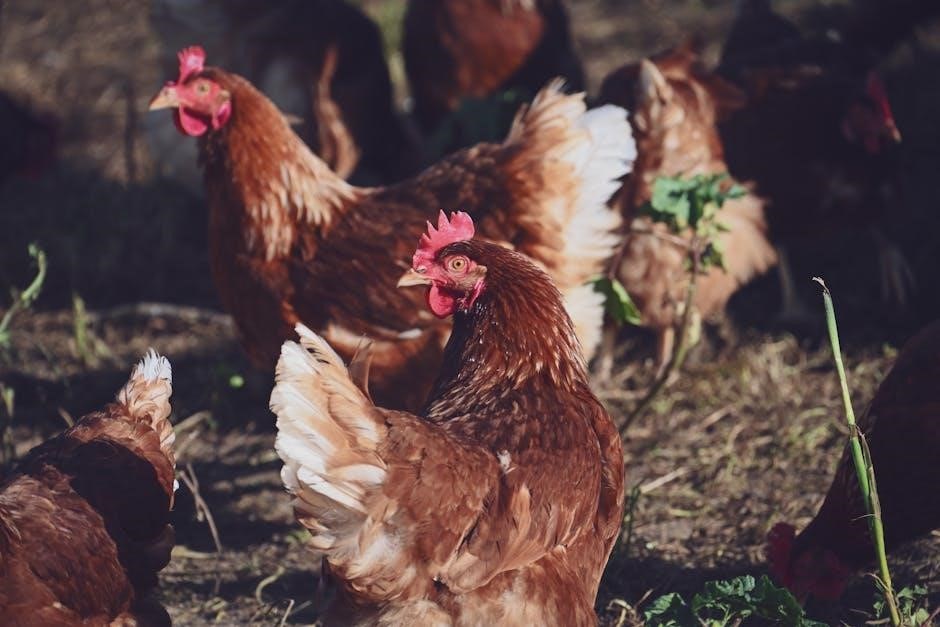
This section introduces students to common farm animals‚ such as cows‚ pigs‚ chickens‚ and horses. It explores their roles in providing food and their importance in ecosystems. Visual aids like images and videos showcase animals in their natural settings‚ while interactive tools like Google Earth Pro allow virtual farm tours. The lesson highlights the sounds and behaviors of each animal‚ fostering curiosity and engagement. Hands-on activities‚ such as matching games‚ help students identify and remember the animals. Story time features books about farm life‚ reinforcing learning through storytelling. Outdoor activities‚ like visiting a local farm or petting zoo‚ provide real-world connections. This introduction sets the foundation for deeper exploration of farm animals’ life cycles and behaviors in subsequent sections.
4.2 Life Cycles of Farm Animals
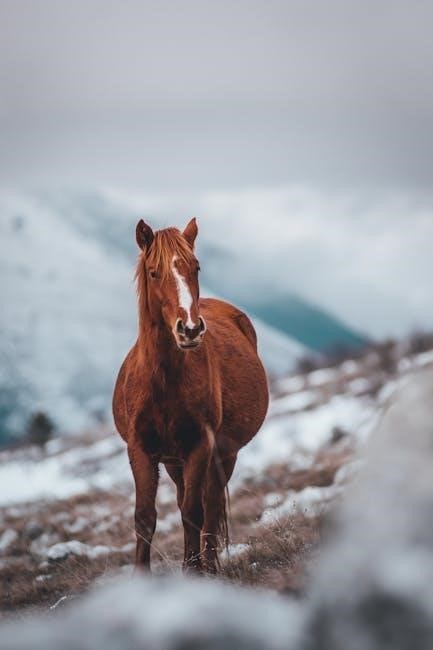
This section explores the life cycles of farm animals‚ from birth to maturity. Students learn about the stages of development for animals like cows‚ pigs‚ chickens‚ and horses. Visual aids‚ such as images and videos‚ illustrate the growth process‚ while interactive activities like matching games reinforce understanding. The lesson highlights how animals change physically and behaviorally as they grow. Story time features books that depict the life cycles of farm animals‚ helping students connect with their journey. Outdoor activities‚ such as observing animals at different stages‚ provide hands-on learning opportunities. Technology tools‚ like Google Earth Pro‚ allow students to explore farms and see animals in their natural habitats. This section helps students appreciate the importance of growth and development in farm animals’ lives‚ preparing them for further exploration of their behaviors and sounds.

4.3 Sounds and Behaviors
This section focuses on the unique sounds and behaviors of farm animals‚ helping students recognize and imitate their vocalizations. Activities include listening to animal sounds via videos or audio clips‚ followed by discussions about why animals make these noises. Students participate in matching games‚ pairing animals with their sounds‚ and role-playing activities to mimic behaviors. Story time features books that highlight animal interactions‚ such as cows mooing or chickens clucking. Outdoor activities involve observing animals in their natural settings‚ allowing students to see behaviors firsthand. Technology tools‚ like Google Earth Pro‚ enable students to explore farms and hear authentic animal sounds. This section encourages curiosity and creativity while teaching students about communication and social behaviors in farm animals. By engaging with these activities‚ students develop a deeper understanding of how animals interact and express themselves.
Interactive Activities
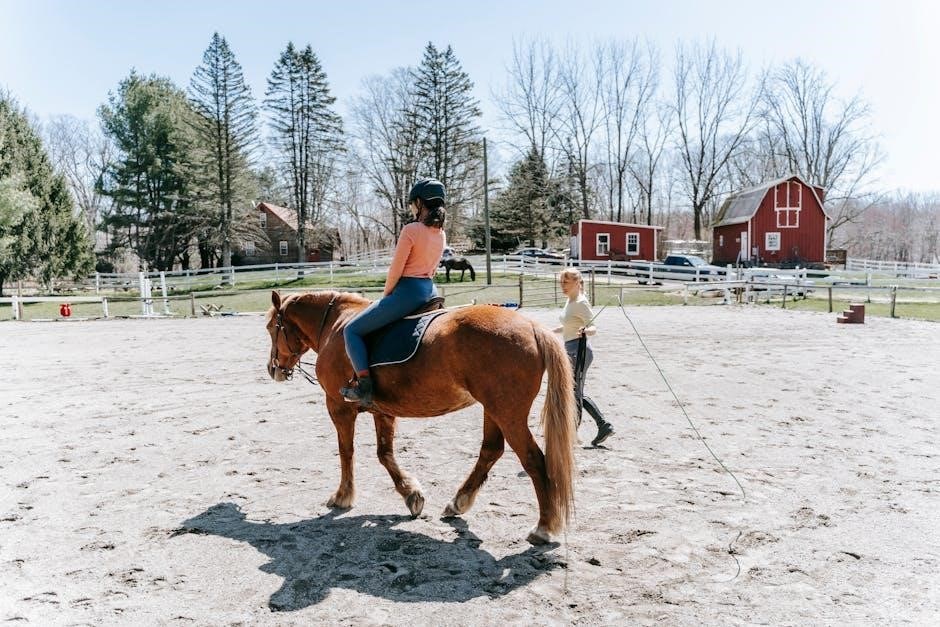
Engage students with hands-on crafts‚ story time‚ and outdoor activities. Crafts include creating animal masks and farm-themed art. Story time features books about farm animals‚ followed by discussions. Outdoor activities involve animal observations and role-playing‚ fostering a deeper connection to the topic.
5.1 Hands-On Crafts
Engage students in creative farm-themed crafts to reinforce learning. Activities include making animal masks‚ constructing paper plate cow faces‚ and crafting sheep using cotton balls. These hands-on projects encourage fine motor skills and creativity while connecting to the lesson’s theme.
- Animal Masks: Use construction paper‚ glue‚ and elastic strings for students to create and wear masks of their favorite farm animals.
- Cow Faces: Cut out cow features from black paper and assemble on a paper plate with glue and staples.
- Cotton Ball Sheep: Glue cotton balls onto a paper sheep template for a tactile experience.
These crafts align with learning objectives‚ making the lesson fun and interactive while fostering a deeper understanding of farm animals.
5.2 Story Time
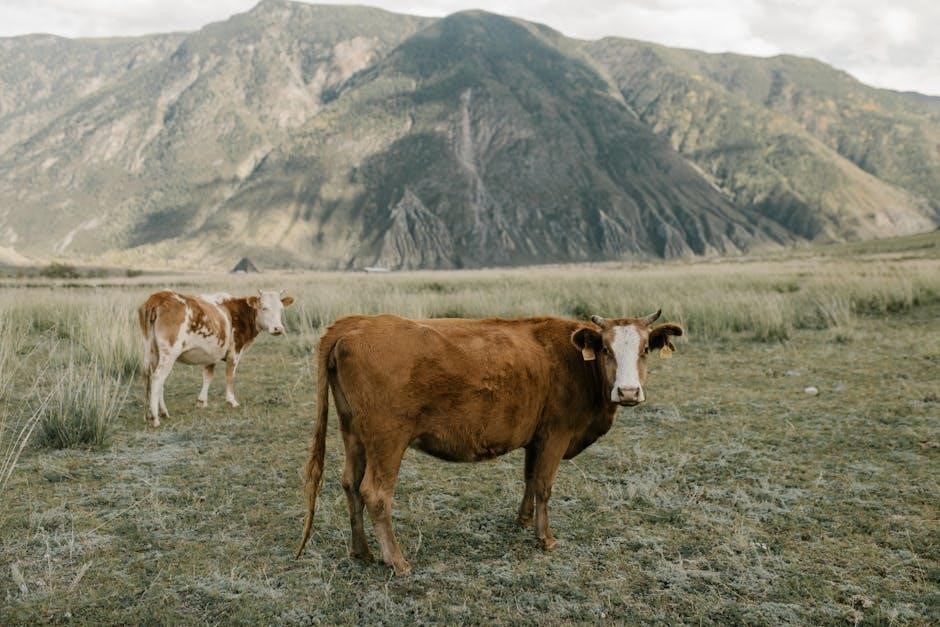
Story time is a vital part of the lesson‚ fostering language skills and imagination. Read age-appropriate books about farm animals‚ such as “The Big Red Barn” by Margaret Wise Brown or “Farm Animals” by Roger Priddy. These stories introduce animals‚ their sounds‚ and their roles on a farm.
- Interactive Reading: Encourage students to participate by repeating animal sounds and identifying animals in the stories.
- Video Integration: Supplement with short‚ educational videos about farm animals‚ ensuring content is age-appropriate and aligned with the lesson plan.
- Discussion: After reading‚ ask open-ended questions to prompt critical thinking‚ such as‚ “What do you think a cow eats?” or “Why do chickens live in coops?”
This activity not only enhances literacy but also reinforces the lesson’s themes‚ making learning enjoyable and engaging for young students.
5.3 Outdoor Activities
Outdoor activities provide a hands-on way to explore farm animals in a natural setting. Organize a scavenger hunt where students identify pictures or models of farm animals placed around the playground. This activity encourages movement and teamwork while reinforcing recognition of different animals.
- Farm Animal Sounds Walk: Create a trail with signs or audio clips of animal sounds. Students walk and match the sounds to corresponding animal pictures.
- Live Animal Encounter: If possible‚ arrange a visit from a local petting zoo or bring in a guest speaker with farm animals. This provides a unique opportunity for students to interact with real animals.
- Farm Animal Movement Activity: Students act out farm animals‚ mimicking their movements and sounds. This promotes physical activity and creativity.
These activities are designed to be age-appropriate‚ safe‚ and engaging‚ helping students connect with nature and learn about farm animals in a fun‚ interactive way.
Assessment Methods
Assessment methods for the farm animals lesson plan include observing student participation during activities and evaluating their ability to identify and describe farm animals. A simple quiz or matching game can be used to check understanding of animal names‚ sounds‚ and life cycles. For younger students‚ a drawing activity where they label farm animals can serve as an informal assessment. Older students can complete a short writing task describing their favorite farm animal and its characteristics. Additionally‚ teachers can review student-created crafts and stories for accuracy and creativity. These methods provide a comprehensive way to gauge learning outcomes while keeping the process engaging and age-appropriate.

Safety Considerations
Ensure all activities are conducted in a safe and supervised environment. For outdoor activities‚ check the area for hazards like uneven terrain or sharp objects. When handling craft supplies‚ use non-toxic materials and avoid small parts that could be choking hazards. If live animals are involved‚ teach children how to interact gently and wash hands afterward. For technology tools‚ ensure devices are securely set up and supervise children during usage. Be aware of allergies or sensitivities to materials like glue‚ paint‚ or animal dander‚ and provide alternatives when needed. Encourage proper hygiene practices‚ such as handwashing after handling animals or materials. Safety should always be a priority to create a secure and enjoyable learning experience for all students.
Age Appropriateness
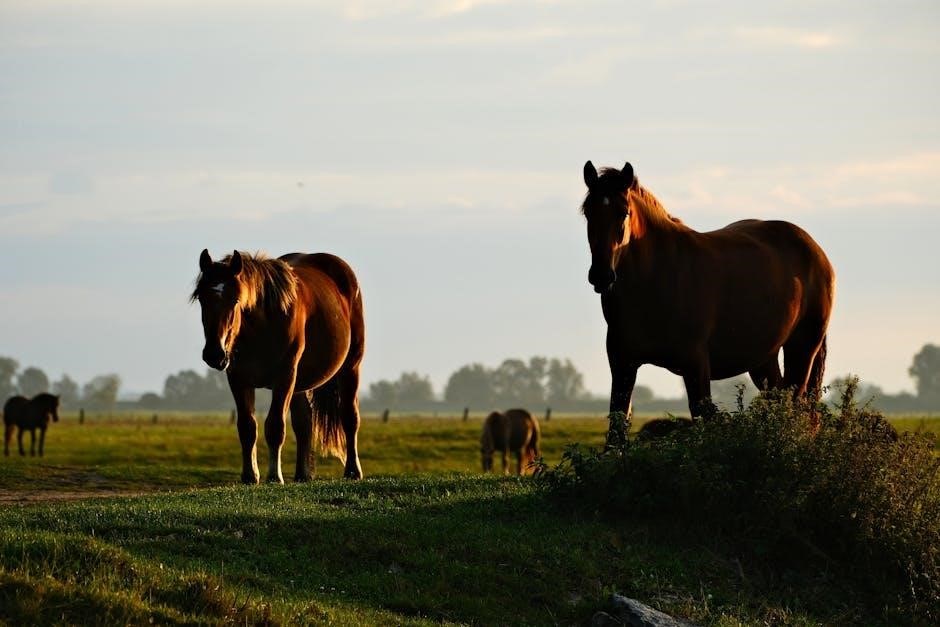
This lesson plan is designed for children aged 3 to 8 years‚ focusing on developmental stages and age-specific learning needs. Activities are tailored to promote engagement and understanding‚ with simpler tasks for younger children and more complex ones for older students. Crafts‚ story time‚ and outdoor activities are structured to align with motor skills and attention spans. For children under 5‚ close supervision is recommended during hands-on activities to ensure safety. Older children can participate in more independent tasks‚ fostering creativity and critical thinking. The content is adaptable to accommodate different learning paces and abilities‚ ensuring inclusivity. The use of visual aids and technology tools is designed to be accessible for all age groups within the range. This approach ensures that the lesson is both enjoyable and educational for children of varying ages and developmental levels.
This lesson plan on farm animals provides a comprehensive and engaging approach to teaching children about farm animals‚ their life cycles‚ sounds‚ and behaviors. By incorporating interactive activities‚ hands-on crafts‚ and outdoor experiences‚ the plan ensures active participation and deeper understanding. The use of visual aids‚ technology tools‚ and story time enhances learning‚ making it accessible and enjoyable for young students. The structured outline allows educators to adapt the content to different age groups‚ ensuring age appropriateness and inclusivity. The assessment methods and safety considerations further support a well-rounded educational experience. Overall‚ this lesson plan is a valuable resource for early childhood educators‚ offering a balanced mix of education and fun to foster curiosity and knowledge about farm animals.
Additional Resources
To further enhance the learning experience‚ educators can utilize additional resources such as free downloadable lesson plans‚ educational websites‚ and interactive tools. Google Earth Pro‚ now available for free‚ offers virtual field trips to farms‚ allowing students to explore real-world environments. Mixkit provides free clips‚ tunes‚ and templates that can be used to create engaging presentations or activities. The Farm Animals Lesson Plan PDF‚ available for free download‚ includes detailed outlines and activity ideas tailored for young learners. Websites like Kids Konnect and Kiddle offer comprehensive information on farm animals‚ complete with images‚ facts‚ and age-appropriate content. These resources support educators in creating interactive and comprehensive lessons‚ ensuring students gain a deeper understanding of farm animals and their roles in agriculture.
Extensions for Further Learning
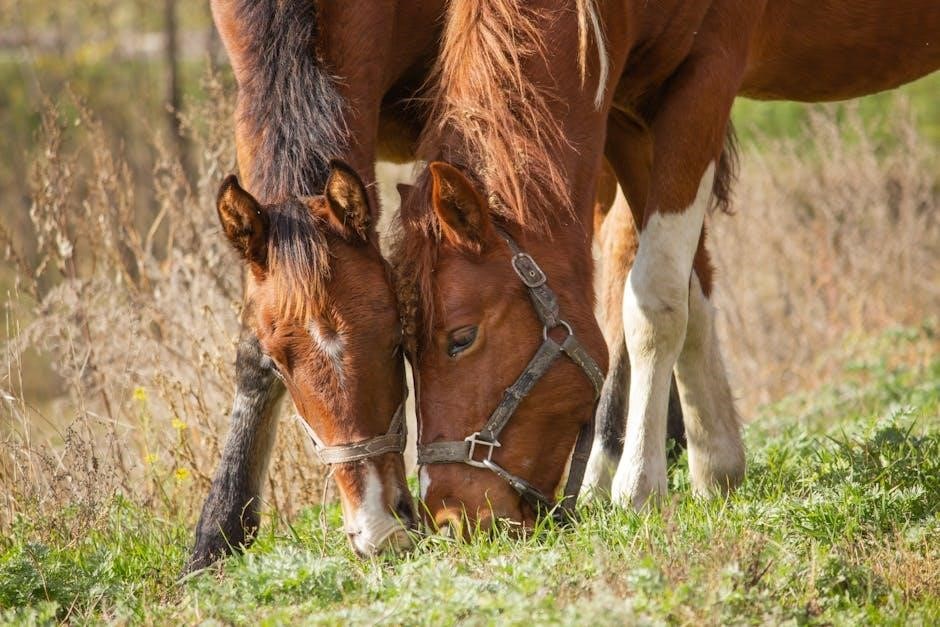
To extend the learning experience‚ students can participate in field trips to local farms or petting zoos‚ allowing them to interact with farm animals firsthand. Additionally‚ creating a class project‚ such as a farm animal diorama or a collaborative mural‚ encourages creativity and teamwork. Students can also research and present on specific farm animals‚ diving deeper into their habitats‚ diets‚ and unique characteristics. For younger learners‚ incorporating educational games and apps focused on farm animals can reinforce concepts in a fun and engaging way. Older students might benefit from exploring the role of farms in their community‚ including how food production impacts daily life. Finally‚ inviting a guest speaker‚ such as a local farmer‚ can provide real-world insights and inspire further curiosity about agriculture and farm animals.